Deprecated: Creation of dynamic property product_page_options_class::$result is deprecated in /var/www/vhosts/eneviahealth.com/test.eneviahealth.com/wp-content/plugins/woocommerce-custom-options-lite/classes/class-product-page-options.php on line 13
Notice: Function _load_textdomain_just_in_time was called incorrectly. Translation loading for the yith-woocommerce-pdf-invoice domain was triggered too early. This is usually an indicator for some code in the plugin or theme running too early. Translations should be loaded at the init action or later. Please see Debugging in WordPress for more information. (This message was added in version 6.7.0.) in /var/www/vhosts/eneviahealth.com/test.eneviahealth.com/wp-includes/functions.php on line 6131 Función mitocondrial en Autismo: Nutrientes para optimizarlaIr al contenido
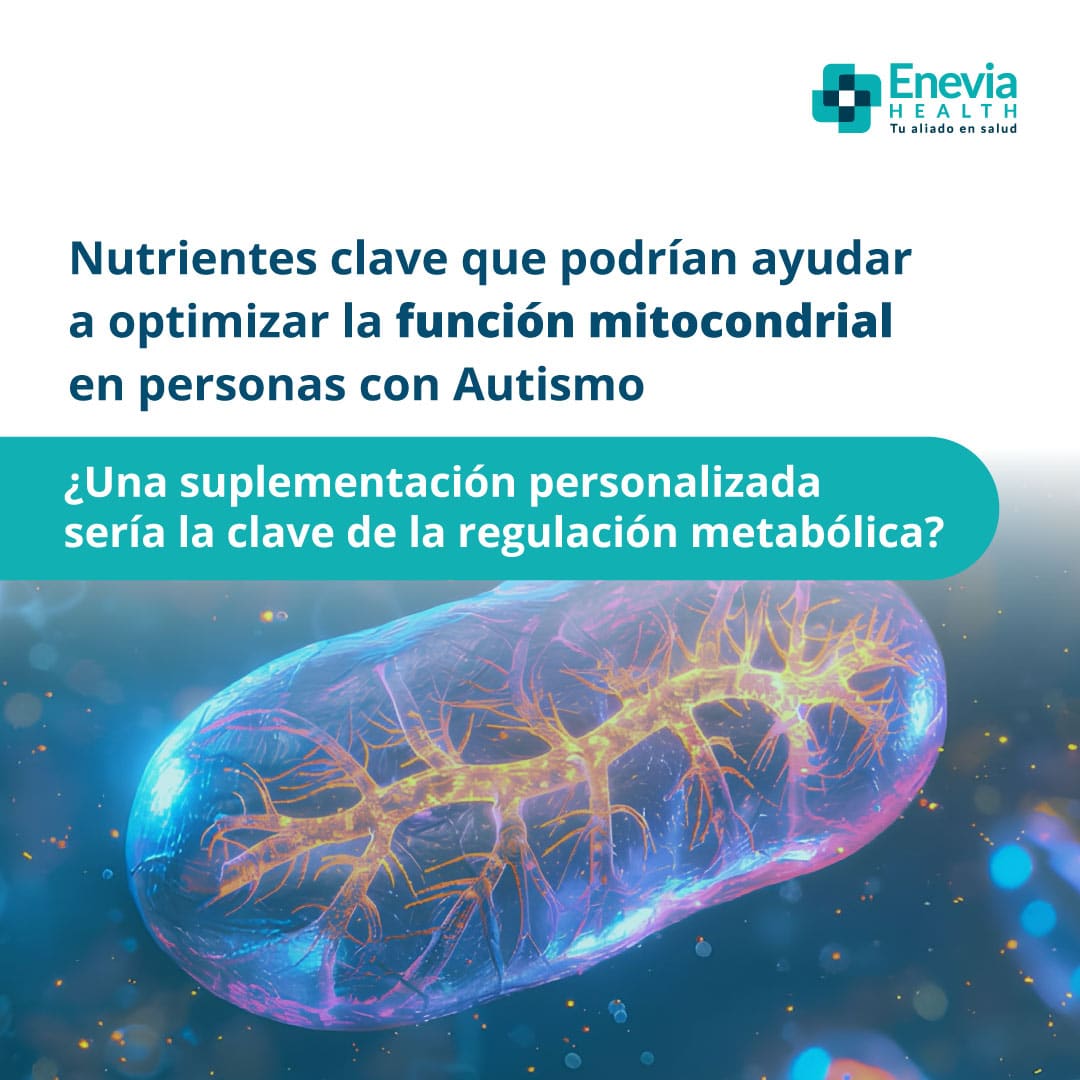
Key Nutrients That May Help Optimize Mitochondrial Function in People with Autism
Could personalized supplementation be the key to metabolic regulation?
The mitochondria, considered the "power plant" of the cell, plays an essential role in the collection of cellular energy in the form of adenosine triphosphate (ATP) through oxidative phosphorylation.
Mitochondria are essential cellular organelles for energy production in cells through oxidative phosphorylation and the Krebs cycle. In addition to their primary role in ATP generation, they also participate in regulating cellular metabolism, apoptotic signaling, and the production of reactive oxygen species (ROS). Proper mitochondrial function is vital for overall health, and certain nutrients can help optimize their performance.
In addition to their important role in cellular bioenergetics, mitochondria play a central role in several other key processes, including homeostasis, the Krebs cycle, iron-sulfur cluster synthesis, calcium signaling, fatty acid oxidation and the tricarboxylic acid (TCA) cycle, apoptosis (cell death), and heat production.
Mitochondrial dysfunction, characterized by a loss of efficiency in ATP synthesis, not only impacts cellular metabolism, but also critically influences the metabolism, health, and lifespan of the entire body.
Diseases defined by mitochondrial dysfunction have expanded from rare monogenic disorders in a strict sense to now also include many common polygenic diseases, including metabolic, cardiovascular, neuromuscular and neurodegenerative diseases such as Alzheimer's disease and Parkinson's disease, and amyotrophic lateral sclerosis.
Consequently, in recent years the focus on optimizing mitochondrial function through nutrition, strategies, and treatment has become an area of growing interest in the clinical field.
Mitochondria as power plants
Mitochondria are integral to fuel metabolism, generating energy in the form of ATP. They oxidize pyruvate (derived from glucose or lactate), fatty acids, and amino acids to utilize electrons in the carriers NADH and FADH2, which transport these electrons to the electron transport chain. There, an electrochemical gradient is established to facilitate ATP production through oxidative phosphorylation.
Key nutrients to support mitochondrial function
A proper diet and certain supplements can improve mitochondrial health, helping to mitigate the effects of mitochondrial dysfunction. Some of the essential nutrients are:
B COMPLEX VITAMINS
Vitamin B1 (Thiamine)
Thiamine is essential for carbohydrate metabolism. It acts as a cofactor for pyruvate dehydrogenase, a crucial enzyme in the Krebs cycle. Thiamine deficiency can lead to pyruvate accumulation and decreased ATP production, negatively impacting mitochondrial function.
It is found mainly in pork, sunflower seeds, legumes (such as lentils and beans) and whole grains.
Vitamin B2 (Riboflavin)
Riboflavin is a component of the coenzymes FAD and FMN, which are important in electron transport and the oxidation-reduction reactions of the Krebs cycle. Riboflavin is also involved in the regeneration of glutathione, a crucial antioxidant that protects mitochondria from oxidative stress.
Eggs, organ meats (liver), mushrooms, spinach, and yogurt would help to obtain this nutrient.
Vitamin B3 (Niacin)
Niacin is converted into NAD+ and NADP+, essential coenzymes in the mitochondrial respiratory chain. These are crucial for ATP production and aid in electron transfer, as well as in the metabolism of fats, carbohydrates, and proteins.
Found in chicken breast, tuna, turkey, peanuts, and pumpkin seeds.
Vitamin B5 (Pantothenic acid)
Pantothenic acid is a precursor to coenzyme A, which is vital for fatty acid metabolism and lipid biosynthesis. Without an adequate amount of this vitamin, energy production and neurotransmitter synthesis can be compromised.
Avocado, sunflower seeds, shiitake mushrooms, and salmon are prominent sources.
Vitamin B6 (Pyridoxine)
Vitamin B6 is important for amino acid metabolism and the synthesis of neurotransmitters and hemoglobin. It also influences homocysteine levels, an amino acid that, at elevated levels, is linked to mitochondrial damage.
Chickpeas, bananas, potatoes, and salmon would make it possible a good intake of this vitamin.
Vitamin B12 (Cobalamin)
Cobalamin is crucial for the metabolism of fats and amino acids, as well as participating in DNA production. Vitamin B12 deficiency can lead to the accumulation of harmful amino acids and negatively affect mitochondrial function.
It is found almost exclusively in animal products such as clams, liver, beef, and eggs.
MINERALS
Magnesium
Magnesium acts as a cofactor in more than 300 biochemical reactions in the body, including ATP synthase, which is essential for energy production. It also helps stabilize DNA and RNA, which is vital for cellular function.
Pumpkin seeds, almonds, spinach, and dark chocolate (with a high percentage of cocoa) are excellent choices.
Iron
Iron is an essential component of hemoglobin and is also crucial for mitochondrial function, as it is part of several enzymes involved in the electron transport chain.
Red meat, liver, lentils, spinach (better if consumed with vitamin C for absorption) and quinoa.
Zinc
Zinc is important for regulating gene expression and is necessary for the activity of many enzymes involved in metabolism. It plays a role in regulating oxidative stress, thereby protecting mitochondria.
Oysters, pumpkin seeds, beef, chickpeas, and cashews are good sources of this mineral.
Selenium
Selenium is an essential mineral that forms part of antioxidant enzymes, such as glutathione peroxidase, which protects cells from oxidative damage. An adequate level of selenium is important for maintaining mitochondrial function and preventing cellular damage.
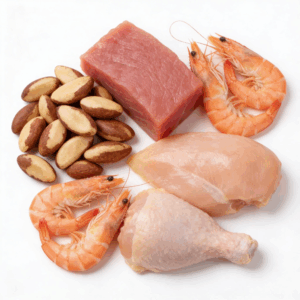
Brazil nuts (a couple a day is enough), tuna, shrimp, and poultry.
FATTY ACIDS
Omega-3 fatty acids, especially EPA and DHA, are known for their anti-inflammatory properties. These fatty acids are key components of the mitochondrial membrane and can improve energy efficiency and mitochondrial function, as well as protect against oxidative damage.
Alpha-lipoic acid (ALA): It helps regenerate other antioxidants and reduces oxidative stress. It is found in small amounts in spinach and broccoli.
Omega-3 fatty acids: They promote the integrity of cell membranes and reduce inflammation. Sources: fatty fish such as salmon and chia seeds.
ANTIOXIDANTS
Vitamin C
Vitamin C is a powerful antioxidant that helps neutralize reactive oxygen species (ROS) generated during energy production. This is vital for protecting mitochondria from oxidative damage.
It can be found in peppers (especially red ones), and citrus fruits (oranges, lemons), strawberries and kiwis.
Vitamin E
Vitamin E is another fat-soluble antioxidant that protects cell and mitochondrial membranes from oxidative damage. Adequate intake can help maintain mitochondrial function and cellular health.
It can be found in almonds, sunflower seeds, extra virgin olive oil, and hazelnuts.
Coenzyme Q10
Coenzyme Q10 is a highly effective compound that acts in the electron transport chain and also has antioxidant properties. Its natural production decreases with age, which can contribute to mitochondrial dysfunction. It acts as an antioxidant and is crucial for energy production.
It is found in foods such as meat, fish, and nuts.
Glutathione
The body's master antioxidant protects cells from oxidative stress. It can be boosted by consuming sulfur-rich foods such as garlic, onions, and broccoli.
AMINO ACIDS
L-Carnitine
L-carnitine is essential for the transport of long-chain fatty acids to the mitochondria, where they are oxidized to generate energy. An adequate level of L-carnitine can improve ATP production and reduce mitochondrial damage.
The highest concentration is in red meat (beef), followed by dairy products, chicken, and cod.
Glutamine
Glutamine is essential for cellular metabolism and maintaining acid-base balance. It can also be used by mitochondria as an energy source.
It is present in beef, eggs, dairy products, cabbage, and parsley.
Cysteine
Cysteine is an amino acid that contributes to the synthesis of glutathione, a key antioxidant that protects mitochondria from oxidative stress. Sufficient cysteine levels are crucial for mitochondrial health.
Chicken, turkey, yogurt, eggs, and oats are sources of cysteine.
OTHER SUPPLEMENTS
Alpha-lipoic acid
This fatty acid is a powerful antioxidant that plays a role in energy production. It can regenerate other antioxidants and improve mitochondrial function.
Resveratrol
Resveratrol, a polyphenol found in red wines and grapes, has been studied for its positive effects on mitochondrial function and its ability to activate certain signaling pathways associated with cellular longevity.
Curcumin
This active compound in turmeric has anti-inflammatory and antioxidant properties. It may help protect mitochondria from damage and improve cellular function.
Additional strategies to optimize mitochondrial function
To promote optimal mitochondrial function, it is recommended to adopt a nutrient-rich diet. Here are some strategies:
Reduce environmental toxins: Mitochondria are sensitive to pollutants, pesticides, and heavy metals. Choosing organic foods and filtered water can be beneficial.
Controlling oxidative stress: In addition to a diet rich in antioxidants, moderate exercise and adequate sleep are essential.
Assess the need for supplements: In cases of autism with confirmed mitochondrial dysfunction, a specialist doctor or nutritionist may recommend specific supplements based on detailed analysis.
Foods rich in antioxidantsFruits and vegetables such as berries, spinach, and broccoli.
Healthy fatsIncorporate olive oil, avocado, and nuts, which are rich in healthy fatty acids.
Lean proteinsInclude high-quality protein sources such as fish, chicken, eggs, and legumes.
Whole grains: opt for whole grains such as quinoa, brown rice and oats, which are rich in fiber and nutrients.
Current strategies for treating mitochondrial dysfunction from the perspective of dietary supplements and targeted therapies, as well as the translational clinical status of related pharmacological agents.
These nutrients are involved in the enzymatic processes that allow mitochondria to convert food into ATP and manage all the other tasks they are responsible for, such as inflammation, immune function, and steroidogenesis.
Representation of the conversion of food into cellular energy (ATP)
At Enevia, we offer specialized consulting services and various tests that can guide you in different areas such as neurology, genetics, nutrition, and general medicine, as well as help you make the right decisions and analyze medical exams to achieve effective treatment for the various challenges arising from neurodevelopmental disorders.
Enter our website through Enevia Care and Enevia Health and you will be able to find the services that we can offer you.
Because at Enevia, we are your ally in health!
Article written by our Enevia collaborator: Eng. Yohana Céspedes, Chemical Engineer and ASD mom.
We also have more interesting articles on our blog about nutrition, neurology, immunology, primary immunodeficiencies in neurodevelopmental disorders, and much more, which might be of interest to you or your loved ones. Here are a few of them:
Akbari M, Kirkwood TBL, Bohr VA. Mitochondria in the signaling pathways that control longevity and health span. Aging Res Rev. 2019 Sep;54:100940. doi: 10.1016/j.arr.2019.100940. Epub 2019 Aug 12. PMID: 31415807; PMCID: PMC7479635.
Sorrentino V, Menzies KJ, Auwerx J. Repairing Mitochondrial Dysfunction in Disease.
Annu Rev Pharmacol Toxicol. 2018 Jan 6;58:353-389. doi: 10.1146/annurev-pharmtox-010716-104908. Epub September 27, 2017. PMID: 28961065.
Spinelli JB, Haigis MC. The multifaceted contributions of mitochondria to cellular metabolism. Nat Cell Biol. 2018 Jul;20(7):745-754. doi:10.1038/s41556-018-0124-1. Epub 2018 Jun 27. PMID: 29950572; PMCID: PMC6541229.
Zong Y, Li H, Liao P, Chen L, Pan Y, Zheng Y, Zhang C, Liu D, Zheng M, Gao J. Mitochondrial dysfunction: mechanisms and advances in therapy. May 15, 2024; 9(1):124. doi:10.1038/s41392-024-01839-8. PMID: 38744846; PMCID: PMC11094169.
We use cookies to optimize our website and our service.
Functional
Always active
The storage or technical access is strictly necessary for the legitimate purpose of allowing the use of a specific service explicitly requested by the subscriber or user, or for the sole purpose of carrying out the transmission of a communication through an electronic communications network. .
preferences
The storage or technical access is necessary for the legitimate purpose of storing preferences not requested by the subscriber or user.
Statistics
Storage or technical access that is used exclusively for statistical purposes.Storage or technical access that is used exclusively for anonymous statistical purposes. Without a requirement, voluntary compliance by your Internet Service Provider, or additional records from a third party, information stored or retrieved solely for this purpose cannot be used to identify you.
Statistical
Storage or technical access is necessary to create user profiles to deliver advertising, or to track the user across one or multiple websites for similar marketing purposes.
Our groups are the ideal platform to learn and share your scientific concerns about neurodevelopment issues
Group rules:
Be nice. Bullying, insults and personal confrontations are not allowed.
Respect everyone's privacy.
Use information that is as scientific and reliable as possible, cite sources.
We want to comply with WhatsApp rules and avoid topics that we know lead to the closure of groups, so we ask that these groups not discuss topics related to VACCINES, MMS, CDS.
*Our purpose is informational only, it is not intended to be a substitute for medical advice, diagnosis or treatment.