Deprecated: Creation of dynamic property product_page_options_class::$result is deprecated in /var/www/vhosts/eneviahealth.com/test.eneviahealth.com/wp-content/plugins/woocommerce-custom-options-lite/classes/class-product-page-options.php on line 13
Notice: Function _load_textdomain_just_in_time was called incorrectly. Translation loading for the yith-woocommerce-pdf-invoice domain was triggered too early. This is usually an indicator for some code in the plugin or theme running too early. Translations should be loaded at the init action or later. Please see Debugging in WordPress for more information. (This message was added in version 6.7.0.) in /var/www/vhosts/eneviahealth.com/test.eneviahealth.com/wp-includes/functions.php on line 6131 Fases de la desintoxicación en niños con AutismoIr al contenido
Detoxification phases in children with autism: How to manage the effects and support gut and neurological health
Well-managed detoxification can be a powerful tool for improving the health and quality of life of children with autism. A personalized and well-guided approach can make a significant difference to their well-being..
Small intestinal bacterial overgrowth (SIBO) is a problem that affects digestion, nutrient absorption, and intestinal balance. SIBO is not only associated with beneficial bacteria multiplying in an inappropriate location in the gut, but it can also be related to the proliferation of pathogenic microorganisms such as parasites and yeast. These pathogens can compromise the intestinal barrier, increasing intestinal permeability and promoting chronic inflammation.
Small intestinal bacterial overgrowth
Currently, numerous treatment protocols exist, ranging from dietary changes to the use of natural supplements, antiparasitics, and antimicrobials. However, regardless of the approach used, it must be treated with great care. The eradication of pathogens and parasites can trigger a series of side effects due to the release of toxins into the body. Understanding these processes and knowing how to manage them properly is essential for making the transition to a healthier gut as smooth as possible.
The die-off, also known as the Herxheimer reaction, is a response of the body when pathogenic bacteria, fungi, or parasites die rapidly, releasing toxins into the body. In autistic children, this can occur when introducing an antimicrobial protocol, dietary changes (such as a ketogenic or sugar-free diet), or when using antifungals and probiotics.
It's common to have read or heard that "healing crises" occur during a healing protocol—transient symptoms that may seem like a worsening before improvement. These symptoms result from the death of bacteria, yeast, or parasites, which generates a massive release of toxins and fragments of dead microorganisms, triggering an inflammatory response in the body.
DIE-OFF or healing crisis
Patients with chronic inflammation, such as autistic children, often have difficulty eliminating toxins due to a reduced liver detoxification capacity and an altered gut microbiota. During the healing protocol, the elimination organs (liver, kidneys, intestines, and skin) become overloaded; therefore, understanding and supporting this process with detoxification strategies is crucial.
Phases of detoxification
The extinction process is divided into three distinct phases: cell death, immune response, and detoxification.
Cell death
Individual microorganisms (bacteria, parasites, or yeasts) as a defense mechanism adhere to the gastrointestinal tract, multiply, and group together forming colonies; they secrete a matrix of polysaccharides, proteins, and extracellular DNA, developing a biofilm that acts as a shield or protective home for the bacteria, parasites, or yeasts that live inside, making it difficult to detect and eliminate them.
Breaking down the biofilm is key to treatment. Once we decompose this protective matrix and release the individual pathogens into the gastrointestinal tract, it helps facilitate their elimination. As the cell membranes of the various microorganisms degrade, they release glycoconjugates (toxins), which activate pro-inflammatory responses. Some parasites sequester heavy metals (mercury, lead), and upon their death, these metals are released into the body.
Inflammatory response
When faced with the release of toxins, the body acts through the immune system to eliminate them, causing inflammation. This response is necessary to overcome the infection, and this process can lead to symptoms such as fever, fatigue, skin rashes, headaches, mood swings, and so on.
detox
When the gastrointestinal tract functions optimally, with a properly sealed intestinal lining and adequate motility, the broken-down biofilm and released toxins would move through the large intestine and be eliminated in the feces. The problem is that most patients who need to undergo this detoxification process have leaky gut, allowing macromolecules and microorganisms to pass through the intestinal lining and reach the bloodstream.
The immune system will continue to attack these toxins and attempt to eliminate them from the body, first through the lymphatic system and liver, which help filter waste from the body, before sending them to other drainage organs such as the kidneys, colon, and skin. Unfortunately, these patients have a limited capacity to eliminate toxins; the detoxification pathways may become blocked or slowed down.
The body struggles to eliminate these toxins, and when they aren't eliminated properly, unfortunately, these toxins are reabsorbed and recirculate within the body. This inability to eliminate toxins makes the symptoms of bacterial, yeast, and parasitic infections more noticeable and longer-lasting.
The three most common causes of the symptoms:
Start a diet by eliminating processed foods that feed pathogens (e.g., sugar and other carbohydrates)
Start a probiotic protocol that helps to effectively kill pathogens by overwhelming them with the presence of "good" microorganisms.
Initiate a protocol of antimicrobial, antifungal, and antiparasitic supplements.
Common symptoms of death from bacteria, yeast, and parasites
Symptoms vary depending on the severity of the infection and the rate at which toxins are eliminated.
Detoxification symptoms: Flu-like symptoms such as nasal congestion, headache, extreme fatigue, low-grade fever, chills, and night sweats.
Skin symptoms: Acne breakouts, rashes, itching.
How to manage a detox crisis in children with autism?
Because most of our children with autism exhibit dysfunctions in methylation and detoxification, it is essential to personalize the protocols and implement them progressively and with professional monitoring.
Oxidative stress
Before starting the protocol, it is recommended to assess oxidative stress markers and toxic load. The number and rate of death of pathogenic microorganisms will determine the size of the "toxic load" the body has to manage. Furthermore, the activity of the immune system, and therefore the amount of inflammation the body produces, greatly influences the severity of symptoms. Therefore, liver support and antioxidants should be prioritized before mobilizing toxins, starting with low doses of supplements and gradually increasing them.
Fortunately, there are several strategies that can help reduce the intensity of these side effects and make the process more comfortable for the patient.
Diet and introduction to natural supplements
Since we understand the intestinal problems of our children, it is important to start with a diet based on: easy nutrition, easy assimilation, no fermentation and stopping feeding the pathogens; in addition, it is recommended to introduce new foods and probiotics gradually.
Before starting a detox protocol and introducing supplements, it's necessary to begin the diet at least a month beforehand so that the effects of the dietary change are no longer present. New foods and probiotics should be introduced into your diet gradually. In addition to proper hydration, water helps eliminate toxins; lemon water or water with natural electrolytes (such as coconut water) is recommended.
Using natural antimicrobials or herbal supplements is a much gentler approach to combating pathogens and parasites. Ideally, you should introduce one supplement at a time and gradually increase the dosage of each product to the full dose. This allows you to monitor any reactions individually and adjust the supplement dosage accordingly.
Reduce inflammation
TheSymptoms related to the death of bacteria, yeast, and parasites can be aggravated by having a very active (or overactive) immune system; therefore, it is important to reduce this inflammation. There are two main ways to help control it:
2.1. Rest and Stress Reduction: Key to Physical Repair
Getting enough sleep is essential for the body to repair itself overnight. In particular, the period between 10 pm and 2 am usually coincides with the deepest stages of sleep, when most of the growth hormone is released. This hormone is crucial for regenerating tissues, strengthening the immune system, and maintaining metabolic health. It has been documented that approximately 80% of human growth hormone is produced during these hours.
Furthermore, during deep sleep, often reached in the early hours of the night, key physiological processes occur: the body releases hormones to repair muscle tissue, strengthen immunity, and regulate hormonal balance. Simultaneously, the brain engages in memory consolidation and waste removal processes, particularly during REM sleep and through the activation of the glymphatic system.
On the other hand, additional stress, such as that caused by intense exercise right before bed, can interfere with restful sleep, as it increases physiological arousal and blocks the secretion of melatonin, the hormone that induces sleep. Therefore, avoiding such activities in the hours leading up to bedtime is a good strategy.
2.2. Anti-inflammatory foods and supplements
Neuroinflammation is a common feature of autism spectrum disorder (ASD) and is associated with chronic microglial activation, cytokine imbalance, and oxidative stress. Regulating the immune system, restoring gut integrity, and optimizing mitochondrial function are key strategies for reducing this inflammatory process. Combining an anti-inflammatory diet with targeted supplements can support these goals.
2.2.1. Healthy fats (Omega-3 fatty acids): Eicosapentaenoic acids (EPA) and docosahexaenoic acids (DHA) have anti-inflammatory properties by modulating the production of pro-inflammatory cytokines, and also modulate the immune system and improve brain function.
Natural sources:
Fatty fish from cold waters and low in mercury: wild salmon, sardines, anchovies.
Chia and flax seeds, nuts (in a lower proportion of EPA/DHA).
Supplement: Cod liver oil or purified fish oil, providing 500–1000 mg/day of combined EPA+DHA for children, adjusting the dose according to weight and under medical supervision. It is preferable that the supplement be certified free of heavy metals.
2.2.2. Anti-inflammatory spices: They reduce oxidative stress and neuronal inflammation.
Natural sources: Add turmeric, ginger, and cinnamon to culinary preparations or daily infusions.
Supplement: Curcumin (Turmeric with piperine or phospholipids) 250-500 mg/day.
2.2.3. Antioxidants from green leafy vegetables and dark-colored berries: Cruciferous vegetables (broccoli and cauliflower) contain sulforaphane, as do dark berries (blueberries and blackberries) rich in anthocyanins. Both compounds help protect cells and neurons from oxidative stress.
Berries such as blueberries, blackberries, raspberries.
Additional supplements: Glutathione, quercetin, and vitamin C can also help when needed.
Support for detoxification pathways
In autistic children, oxidative stress, inflammatory overload, and sensitivity to environmental toxins can coexist. “Detoxifying” is not about emptying toxins with a product, but about optimizing the body's physiological pathways.
Hepatic biotransformation (phase I and II).
Renal and biliary excretion.
Intestinal function (prevent reabsorption).
Sweating (skin).
This aims to reduce the accumulation of toxins and inflammatory metabolites.
Liver support (phases I and II)
In Phase I (cytochromes P450) the compounds are transformed and in Phase II they are conjugated (glucuronidation, sulfation, conjugation with glutathione, glycine, etc.) to make them more water-soluble and excreted by bile/urine.
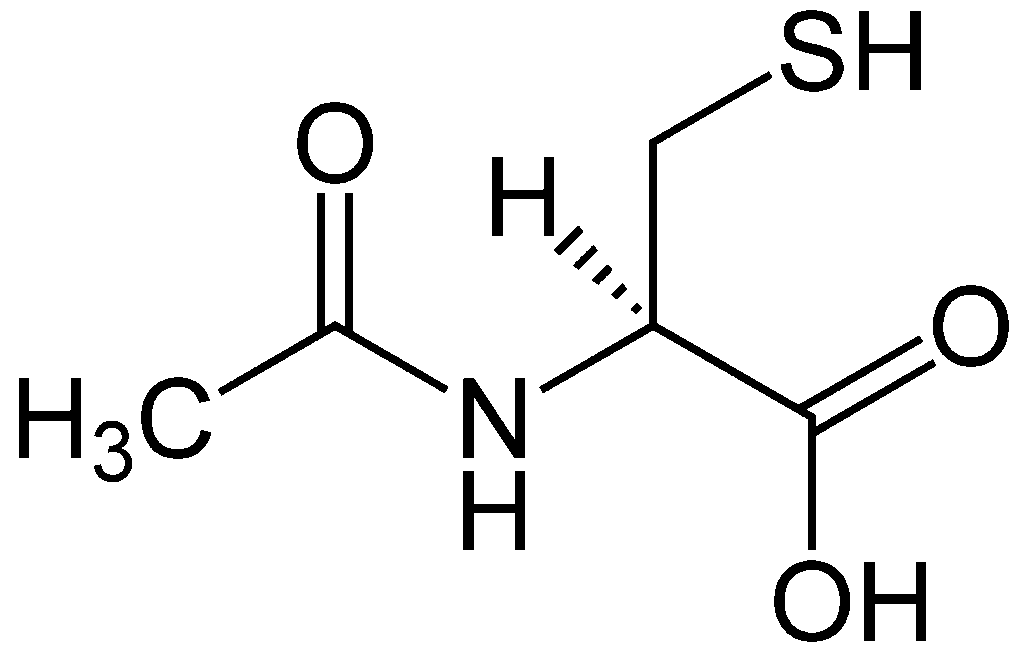
Acetylcysteine
An imbalance (fast Phase I + slow Phase II) can lead to an accumulation of more reactive intermediates, hence the importance of nourishing Phase II. To support it, supplements that are a mixture of natural ingredients are generally used, such as:
N-acetylcysteine (NAC): precursor of glutathione; In a pilot study and meta-analysis with children with ASD, a reduction in irritability was shown, which is reasonable when there is evidence of oxidative stress/redox alteration.
Phase II amino acids:Glycine, taurine, glutamine; they support conjugations (glycine/sulfate/glutathione).
Silymarin (milk thistle): Antioxidant and liver protectant; mixed evidence, use with caution due to interactions.
Dandelion/artichoke, etc: Limited human evidence; prioritize nutrition, adequate protein, and drug/solvent control.
Kidneys and excretion
Smart hydration: sufficient water according to weight, activity and climate.
Add electrolytes (sodium, potassium, magnesium) in cases of heat or excessive sweating to maintain glomerular filtration and urine volume.
Gastrointestinal binders
They bind to toxins like a magnet, transporting them through the digestive tract to be eliminated in the feces. This prevents the reabsorption of toxins into the bloodstream, reducing symptoms of "die-off" (pathogen death).
Activated charcoal supplements
There are three different types of binders that are commonly used to help minimize symptoms:
Activated carbon: Broad spectrum, useful for acute die-off symptoms. Because it can bind to microbes, as well as minerals, vitamins, and nutrients, it's best used short-term and away from food, medications, or supplements.
Clays (bentonite, zeolite, pyrophyllite): less aggressive than activated charcoal, which is why it can be taken for weeks instead of days.
Chlorella: Algae that binds to toxins without capturing nutrients; excellent ongoing support product to help with death and toxins associated with cleansing protocols.
Additional support strategies
Epsom salt baths: Relaxing, they provide magnesium, promote the elimination of toxins from the skin and increase sulfates (useful for Phase II).
Infrared sauna: It can improve blood circulation and sweating, eliminating toxins accumulated in the body. It requires hydration and electrolyte replenishment.
At Enevia we offer specialized consulting services and different tests that can guide you in different areas such as neurology, genetics, nutrition and general medicine, as well as help you make the right decisions and analyze medical tests to achieve effective treatment for the pathologies that you may suffer from.
Enter our website through Enevia Care and Enevia Health and you will be able to find the services that we can offer you.
Bjarnsholt T. The role of bacterial biofilms in chronic infections. APMIS Suppl. 2013 May;(136):1-51. doi: 10.1111/apm.12099. PMID: 23635385.
Calderon Martinez E, Herrera D, Mogan S, Hameed Z, Jangda AA, Khan TJ, Mroke P, Sajid S, Shah YR, Baig I. Impact of Silymarin Supplements on Liver Enzyme Levels: A Systematic Review. Cureus. 2023 Oct 24;15(10):e47608. doi: 10.7759/cureus.47608. PMID: 38021897; PMCID: PMC10667129.
Gevezova M, Sarafian V, Anderson G, Maes M. Inflammation and Mitochondrial Dysfunction in Autism Spectrum Disorder. CNS Neurol Disord Drug Targets. 2020;19(5):320-333. doi: 10.2174/1871527319666200628015039. PMID: 32600237.
Hodges RE, Minich DM. Modulation of Metabolic Detoxification Pathways Using Foods and Food-Derived Components: A Scientific Review with Clinical Application. J Nutr Metab. 2015;2015:760689. doi: 10.1155/2015/760689. Epub 2015 Jun 16. PMID: 26167297; PMCID: PMC4488002.
Jiang Y, Dang W, Nie H, Kong X, Jiang Z, Guo J. Omega-3 polyunsaturated fatty acids and/or vitamin D in autism spectrum disorders: a systematic review. Front Psychiatry. 2023 Aug 16;14:1238973. doi: 10.3389/fpsyt.2023.1238973. PMID: 37654990; PMCID: PMC10466790.
Kang, D.W., Adams, J.B., Gregory, A.C. et al. Microbiota Transfer Therapy alters gut ecosystem and improves gastrointestinal and autism symptoms: an open-label study. Microbiome 5, 10 (2017). https://doi.org/10.1186/s40168-016-0225-7
Li Q, Han Y, Dy A., Hagerman R J. The Gut Microbiota and Autism Spectrum Disorders. Frontiers in Cellular Neuroscience 2017 (11). DOI=10.3389/fncel.2017.00120
Singh, A.. Dysbiosis, small intestinal bacterial overgrowth and biofilms in autism and chronic illness [J]. AIMS Molecular Science, 2018, 5(2): 160-165. doi:10.3934/molsci.2018.2.160
Usui N, Kobayashi H, Shimada S. Neuroinflammation and Oxidative Stress in the Pathogenesis of Autism Spectrum Disorder. Int J Mol Sci. 2023 Mar 13;24(6):5487. doi:10.3390/ijms24065487. PMID: 36982559; PMCID: PMC10049423.
Wang, L., Yu, YM., Zhang, Yq. et al. Hydrogen breath test to detect small intestinal bacterial overgrowth: a prevalence case–control study in autism. European Child Adolesc Psychiatry 27, 233–240 (2018). https://doi.org/10.1007/s00787-017-1039-2
We use cookies to optimize our website and our service.
Functional
Always active
The storage or technical access is strictly necessary for the legitimate purpose of allowing the use of a specific service explicitly requested by the subscriber or user, or for the sole purpose of carrying out the transmission of a communication through an electronic communications network. .
preferences
The storage or technical access is necessary for the legitimate purpose of storing preferences not requested by the subscriber or user.
Statistics
Storage or technical access that is used exclusively for statistical purposes.Storage or technical access that is used exclusively for anonymous statistical purposes. Without a requirement, voluntary compliance by your Internet Service Provider, or additional records from a third party, information stored or retrieved solely for this purpose cannot be used to identify you.
Statistical
Storage or technical access is necessary to create user profiles to deliver advertising, or to track the user across one or multiple websites for similar marketing purposes.
Our groups are the ideal platform to learn and share your scientific concerns about neurodevelopment issues
Group rules:
Be nice. Bullying, insults and personal confrontations are not allowed.
Respect everyone's privacy.
Use information that is as scientific and reliable as possible, cite sources.
We want to comply with WhatsApp rules and avoid topics that we know lead to the closure of groups, so we ask that these groups not discuss topics related to VACCINES, MMS, CDS.
*Our purpose is informational only, it is not intended to be a substitute for medical advice, diagnosis or treatment.