They identify new genetic variants that increase the risk of obesity up to six times
Obesity as a public health problem
Obesity is a global public health condition that has become one of the main concerns due to its high prevalence and its implications on people's health. According to the World Health Organization (WHO), it is a constantly increasing epidemic throughout the world, affecting people of all ages, genders and social classes. This condition is characterized by excess body fat that can lead to various chronic diseases, such as diabetes, cardiovascular diseases, joint problems and some types of cancer.
In America, obesity is a public health problem of great relevance, since the region has high rates of overweight and obesity in the population. According to WHO data, more than 60% of the adult population in Latin America and the Caribbean suffers from overweight or obesity, which represents a significant challenge in terms of the health and well-being of the population. Obesity not only has negative consequences for individual health, but also impacts the economy of countries, due to the high costs associated with the treatment of diseases related to excess weight.
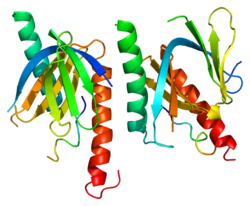
The BSN gene (Bassoon) and the APBA1 gene (Amyloid Beta A4 Precursor Protein-Binding Family A Member 1) have been the object of interest in various studies related to obesity and other metabolic diseases. Some studies have been carried out where the most relevant findings in relation to these two genes and their possible involvement in the regulation of body weight and energy homeostasis could be demonstrated.
GEN BSN or Bassoon
The BSN or Bassoon gene is a gene located on human chromosome 7 that encodes a protein of high importance in the neuronal synapse. Bassoon protein is a key component of the active zone of neurotransmitter release at synapses, where it plays a crucial role in the organization and maintenance of synaptic vesicles and in regulating neurotransmitter release.
The Bassoon protein belongs to a family of synaptic active zone proteins that includes other important members such as Piccolo and RIM1. These proteins interact with each other to form a multiprotein complex that regulates the release of neurotransmitters at synapses and is essential for synaptic plasticity and efficient neuronal transmission.
In the context of obesity, the involvement of the Bassoon gene may seem surprising, as it has traditionally been primarily associated with synaptic and neuronal functions. However, recent research has suggested that the Bassoon gene may play a role in the regulation of body weight and energy metabolism through its interactions with neuroendocrine pathways and signaling systems involved in the control of appetite and satiety, through the hypothalamus. .
One of the possible mechanisms through which the Bassoon gene could influence obesity is through its interactions with neurotransmitters and hormones that regulate appetite and energy expenditure. Studies have shown that Bassoon can modulate the release of neurotransmitters such as dopamine, serotonin and leptin in key brain regions involved in appetite control, such as the hypothalamus. Leptin being one of the most important hormones involved in the fight against obesity.
Leptin Regulator
Leptin is a hormone produced by fat cells, known as adipocytes, that plays a key role in regulating body weight and metabolism. It was first discovered in 1994 by researchers at Rockefeller University in New York and has since been the subject of numerous studies that have revealed its importance in maintaining energy homeostasis.
Leptin acts as a satiety signal, sending information to the brain about the levels of fat stored in the body. When these levels increase, leptin secretion also increases, which in turn suppresses appetite and increases energy expenditure. On the contrary, when leptin levels decrease, mechanisms are activated that stimulate hunger and reduce calorie burning.
In addition to its role in controlling appetite and metabolism, leptin also plays important roles in reproduction, immunity, and inflammation. Abnormal levels of leptin have been shown to be associated with various health conditions, such as obesity, insulin resistance, and type 2 diabetes. Leptin deficiency in humans has also been observed to be associated with disorders of appetite and mood. fat storage, such as extreme obesity syndrome.
Leptin also plays a role in regulating growth and development in children. Low levels of leptin have been shown to be associated with reduced growth and physical development, while high levels of leptin may indicate a greater propensity for obesity in adulthood.
In addition to its endocrine role, leptin also acts as a signaling factor in the central nervous system, where it interacts with specific receptors in brain regions that regulate appetite, such as the hypothalamus. Leptin contributes to the formation of neural circuits that control food intake and energy expenditure, making it a key molecule in the body weight regulation network.
Despite its potential benefits for treating obesity and other metabolism-related diseases, leptin has not proven to be an effective solution on its own. Some individuals have been found to be resistant to the effects of leptin, limiting their ability to control weight and appetite. However, therapies have been developed that take advantage of the action of leptin, such as the administration of leptin analogues in patients with deficiency of this hormone.
Basson as a regulator of glucose and insulin
Additionally, it has been suggested that Bassoon could play a role in regulating insulin sensitivity and glucose metabolism, which in turn could influence adiposity and the development of obesity. Studies in animal models have shown that deletion of the Bassoon gene in specific neurons can cause alterations in energy metabolism and body weight, supporting the relevance of this gene in the pathophysiology of obesity.
Another important aspect to consider is the interaction between the Bassoon gene and genetic and environmental factors that may predispose to a higher risk of obesity. It has been postulated that genetic variants in the Bassoon gene could be associated with increased susceptibility to obesity, especially in combination with environmental factors such as diet and lifestyle.
Furthermore, it has been suggested that Bassoon gene expression and function could be modulated by epigenetic factors, such as DNA methylation and post-translational protein modifications, which could influence susceptibility to obesity and response to therapeutic interventions. .
While the Bassoon gene has traditionally been associated with synaptic and neuronal functions, recent evidence suggests that this gene could play an important role in the regulation of body weight and energy metabolism. Its implication in obesity is based on its ability to modulate the release of neurotransmitters and hormones involved in the control of appetite and satiety, as well as its possible influence on insulin sensitivity and glucose metabolism.
In a study carried out in ob/ob mice, for a model of genetic obesity, it was observed that the expression of the BSN gene was increased in the hypothalamus, a region crucial for the regulation of appetite and energy expenditure. Furthermore, overexpression of the BSN gene in specific neurons of this region led to a decrease in body weight and an improvement in insulin sensitivity in these animals. These results suggest that the BSN gene could play an important role in the regulation of energy metabolism and obesity.
Future studies will help us further explore the molecular interactions and underlying mechanisms responsible for the relationship between the Bassoon gene and obesity could provide new insights into the pathophysiology of this disease and open new avenues for the development of more specific treatments and effective for controlling body weight and treating obesity.
APBA1 the other obesity gene
On the other hand, the APBA1 gene encodes a protein involved in the interaction with amyloid precursor protein (APP), which is involved in the pathogenesis of Alzheimer's disease. However, recent studies have suggested that the APBA1 gene may also play a role in regulating energy metabolism and body weight.
This gene encodes a protein that plays a crucial role in synaptic function and neuronal plasticity. Its protein, also known as Mint1 (Munc18-interacting protein), belongs to the family of proteins that bind to the amyloid beta peptide precursor protein (APP) and plays an important role in regulating APP processing. and in the formation of amyloid plaques, hallmarks of Alzheimer's disease. The function, structure and relevance of APBA1 in the context of molecular biology and neuroscience is broad and increasingly investigated.
The APBA1 gene is located on human chromosome 9 and consists of multiple exons that transcribe and translate this highly conserved APP-binding protein in mammals. The APBA1 protein contains several functional domains, including lipid interaction domains, protein binding domains, and phospholipid interaction domains. These domains allow it to interact with various proteins and participate in multiple cellular processes related to vesicular trafficking, synaptic signaling and neuronal plasticity.
A beginning in Alzheimer's, a new path to obesity
One of the main functions of APBA1 is to act as an adapter between different proteins, facilitating the formation of protein complexes involved in the regulation of APP metabolism. The interaction of APBA1 with APP can modulate the APP processing pathway, targeting either the non-amyloid pathway or the amyloid pathway. The amyloid pathway leads to the generation of amyloid beta peptide fragments, which can aggregate into amyloid plaques in the brains of Alzheimer's disease patients, contributing to neurodegeneration and synaptic dysfunction.
The relevance of APBA1 in the pathophysiology of Alzheimer's disease has been the subject of numerous studies, and these studies have yielded a new discovery, its influence on metabolism and energy. Abnormal levels of APBA1 have been shown to be associated with alterations in APP processing and increased production of amyloid beta peptide, which may contribute to the accumulation of amyloid plaques in patients' brains, specifically in the hypothalamus.
Additionally, genetic studies have identified variants in the APBA1 gene that are associated with an increased risk of developing obesity, suggesting that APBA1 dysfunction may be a genetic risk factor for some syndromes. In a study carried out in mice with obesity induced by a high-fat diet, it was observed that the expression of the APBA1 gene was increased in the adipose tissue and liver of these animals.
Inhibition of APBA1 gene expression led to a decrease in liver fat accumulation and an improvement in insulin sensitivity in these animals. These results suggest that the APBA1 gene could have an important role in the regulation of energy metabolism, obesity and a clear genetic predisposition to pathologies such as fatty liver.
These studies suggest that both the BSN gene and the APBA1 gene could play an important role in the regulation of energy metabolism and body weight. However, it is important to note that research in this field is in its early stages and additional studies are required to elucidate the exact mechanism by which these genes could be involved in the pathophysiology of obesity and other metabolic diseases.
The studies reviewed suggest that the BSN gene and the APBA1 gene could play an important role in the regulation of energy metabolism and body weight. However, more research is required to confirm these findings and better understand the mechanism by which these genes could be involved in the pathophysiology of obesity and other metabolic diseases.
On our blog we have other articles related to the topic of genetics and variants, which you can access through: https://test.eneviahealth.com/blog/
We use cookies to optimize our website and our service.
Functional
Always active
The storage or technical access is strictly necessary for the legitimate purpose of allowing the use of a specific service explicitly requested by the subscriber or user, or for the sole purpose of carrying out the transmission of a communication through an electronic communications network. .
preferences
The storage or technical access is necessary for the legitimate purpose of storing preferences not requested by the subscriber or user.
Statistics
Storage or technical access that is used exclusively for statistical purposes.Storage or technical access that is used exclusively for anonymous statistical purposes. Without a requirement, voluntary compliance by your Internet Service Provider, or additional records from a third party, information stored or retrieved solely for this purpose cannot be used to identify you.
Statistical
Storage or technical access is necessary to create user profiles to deliver advertising, or to track the user across one or multiple websites for similar marketing purposes.
Our groups are the ideal platform to learn and share your scientific concerns about neurodevelopment issues
Group rules:
Be nice. Bullying, insults and personal confrontations are not allowed.
Respect everyone's privacy.
Use information that is as scientific and reliable as possible, cite sources.
We want to comply with WhatsApp rules and avoid topics that we know lead to the closure of groups, so we ask that these groups not discuss topics related to VACCINES, MMS, CDS.
*Our purpose is informational only, it is not intended to be a substitute for medical advice, diagnosis or treatment.