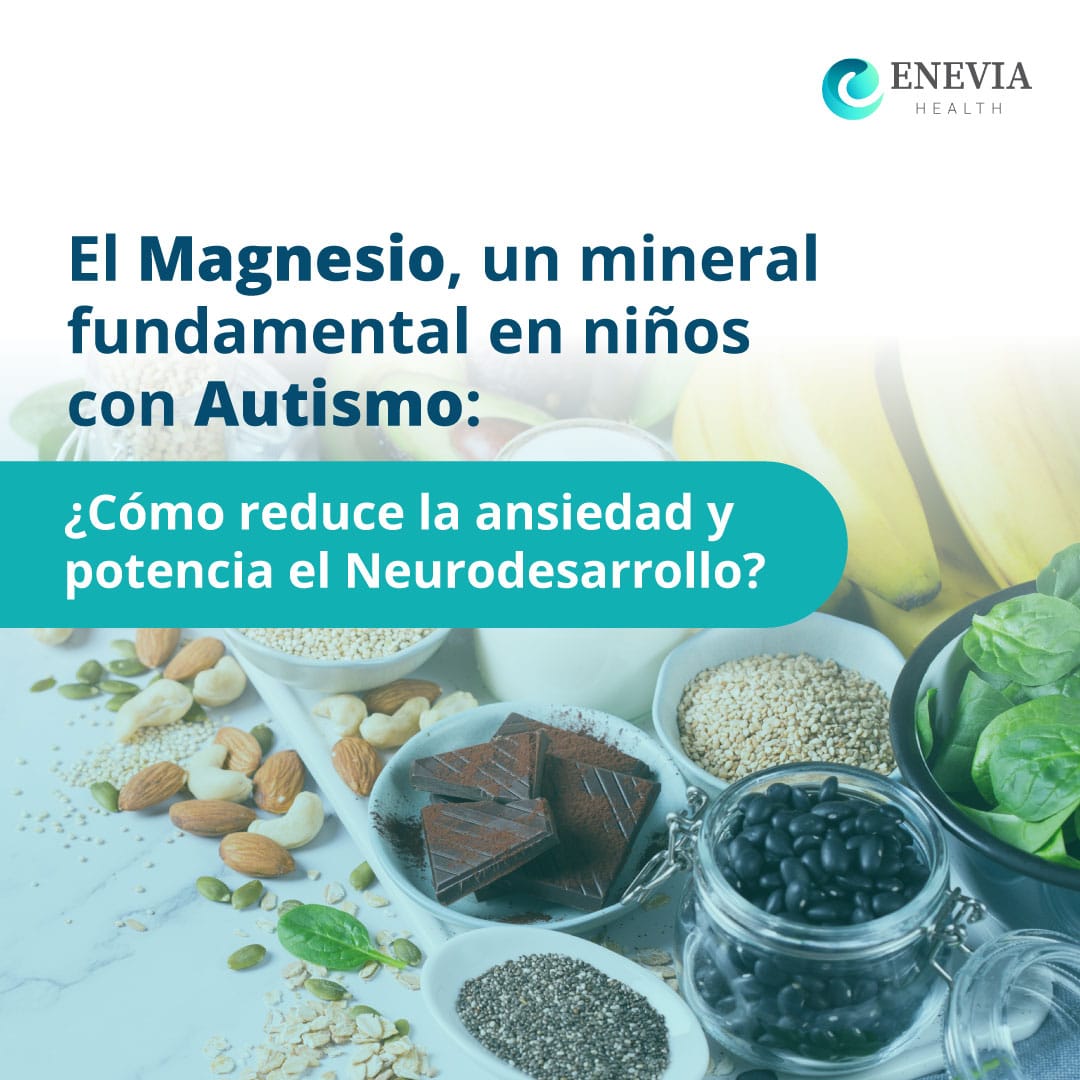
Magnesium, a fundamental mineral in children with autism: How does it reduce anxiety and enhance neurodevelopment?
What are its benefits for people with autism?
Magnesium is an essential mineral that is involved in numerous biological functions in the human body. Its role is crucial in the regulation of nervous systems, the formation of bone structures and the production of cellular energy. In recent years, there has been a growing interest in investigating how this mineral can benefit people with Autism Spectrum Disorder (ASD).
Children with autism spectrum disorder may have nutritional deficiencies due to reduced intake, genetic variants, autoantibodies that interfere with vitamin transport, and the accumulation of vitamin-consuming toxic compounds. Importantly, vitamins and metal ions are essential for several metabolic pathways and neurotransmitter function. The therapeutic benefits of supplementation with vitamins, minerals, and other cofactors are mediated by their cofactor and non-cofactor functions.
Interestingly, some vitamins can be safely administered at levels far above the dose typically used to correct deficiency and exert effects beyond their functional role as enzyme cofactors. Furthermore, the interrelationships between these nutrients can be exploited to obtain synergistic effects using combinations.
The active forms of many vitamins and some trace elements are essential cofactors for numerous enzymes involved in metabolism, antioxidant defense, and redox activity. In addition, non-vitamin coenzymes such as CoQ10, alpha lipoic acid, and tetrahydrobiopterin are synthesized in the body, but are also available in the diet or as nutritional supplements.
Some patients with autism may have deficiencies in essential nutrients, such as omega-3 fatty acids, zinc, magnesium, B vitamins, among others. Correcting these deficiencies through supplementation can have a positive impact on behavior, attention, and cognitive function.
This mineral plays an important role in neurotransmission. This mineral helps regulate the release of neurotransmitters such as glutamate and serotonin. A proper balance of these neurotransmitters is essential for emotional well-being and cognitive function, both of which are compromised in people with ASD.
Hypomagnesemia is associated with migraine, depression, schizophrenia, bipolar disorder, neurosis, addiction, neurodegenerative diseases, and epilepsy. Magnesium is essential for many ATP-dependent enzymes, including many enzymes of glycolysis and S-adenosylmethionine synthetase, which is required for the synthesis of SAMe.
Types of Magnesium
There are various forms of this mineral, each with specific properties and benefits. The most common are:
Magnesium Citrate
Magnesium citrate is a highly bioavailable form of magnesium, meaning it is easily absorbed into the body. This type is known for its laxative effects, but has also been used to improve brain function and reduce anxiety. Magnesium citrate is a soluble organic salt that is formed by combining magnesium with citric acid, which is found in citrus fruits.
Magnesium citrate can also help improve mood, reduce stress and anxiety, and promote sleep, as it intervenes in the production of serotonin, a neurotransmitter that regulates emotional well-being.
Magnesium Oxide
Magnesium oxide has a higher magnesium content, but its bioavailability is lower compared to other forms, as only 41-101 TP3T of the total is absorbed, for this reason, a higher dose is needed to obtain the same benefits as with other types of this mineral, which can cause side effects such as diarrhea, nausea or colic. However, it is effective in relieving digestive problems, such as constipation.
Magnesium oxide is an insoluble inorganic salt obtained by heating metallic magnesium or magnesium carbonate. It also helps relieve the symptoms of gastroesophageal reflux, as it acts as a natural antacid.
Magnesium Chloride
Magnesium chloride is known for its anti-inflammatory, antibacterial, antifungal and detoxifying properties, which is why it is used to treat various conditions such as arthritis, infections, allergies, acne or kidney stones.
It also helps strengthen the immune system, prevent muscle cramps, regulate heart rate and improve bone health, and has the ability to increase energy levels. It is used in magnesium baths, which can benefit the skin and relax the body. It is one of the most versatile types of magnesium, as it has good bioavailability and can be found in different formats, such as tablets, powder, liquid or crystals.
Magnesium Glycinate
Magnesium glycinate is one of the gentlest forms and least likely to cause stomach upset, combining magnesium with the amino acid glycine, which improves the absorption and bioavailability of this mineral in the body. It is known for its calming effects and its ability to improve sleep quality, which is particularly beneficial for people with ASD who often have sleep problems.
It contributes to muscular well-being, reducing fatigue, cramps and promoting rest, combats mental stress, anxiety and menstrual discomfort, and can also help reduce blood pressure and blood sugar levels in people with type 2 diabetes.
Magnesium L-threonate
Magnesium L-threonate is a newer form that has been shown to have the ability to cross the blood-brain barrier, which may improve cognitive function and reduce anxiety. This makes it an attractive option for people with or without autism who struggle with attention and concentration issues. Magnesium L-threonate is a soluble organic complex that is formed by combining magnesium with L-threonic acid, which is derived from vitamin C.
One of the newest and most targeted types of magnesium for brain health, Magnesium L-Threonate can increase levels of this mineral in the brain by up to 15%, improving cognitive function, memory, learning, concentration, and mood.
Magnesium sulphate
Magnesium sulfate, also known as Epsom salt, is primarily used in relaxing baths to relieve stress and muscle tension. It can also be administered intravenously with supervision in specific medical situations, such as some cardiovascular and obstetric pathologies. Magnesium sulfate is a soluble inorganic salt that is formed by combining magnesium with sulfuric acid.
Magnesium sulphate has a laxative and diuretic effect, so it is used to treat constipation, fluid retention, hypertension and heavy metal poisoning. It also has relaxing, anti-inflammatory and analgesic properties, so it is used to relieve muscle, joint and menstrual pain, as well as to reduce stress and promote sleep.
Magnesium lactate
Magnesium lactate is a form that is combined with lactic acid. This form is known for its high solubility and bioavailability, making it easy to absorb into the body. Magnesium lactate is commonly used as a supplement to help increase levels of this mineral and improve overall health. It is one of the mildest and best tolerated types of magnesium, as it has a low magnesium concentration and a neutral pH, which prevents irritation of the stomach and intestines.
Magnesium lactate is well absorbed and distributed evenly throughout the body, so it is recommended to prevent or correct magnesium deficiency, especially in people with digestive or kidney problems. Its benefits include regulating the activity of the nervous system, improving sleep, and reducing anxiety and stress.
Magnesium Malate
Magnesium malate is a soluble organic complex formed by combining magnesium with malic acid, which is found in acidic fruits such as apples or grapes.
It is one of the most beneficial types for energy production, as malic acid participates in the Krebs cycle, a process that transforms nutrients into ATP, the molecule that stores and transports energy in cells. Magnesium malate also has an alkalizing effect, so it helps neutralize excess acidity in the body, which can cause inflammation, pain, and chronic diseases. Magnesium malate is often used to improve physical and mental performance, to relieve chronic fatigue and fibromyalgia, and to prevent gallstones.
Magnesium Biotinate
Magnesium biotinate, a novel biotin complex with superior absorption, has been effective in decreasing the expression of neurotoxicity-related cytokines, improving brain and serum concentrations of this mineral, biotin, serotonin, and dopamine, and improving social behavior, learning, and memory impairments in propionic acid-exposed rats with ASD behaviors. Some studies indicate that this magnesium has anti-inflammatory properties.
Several studies suggest that this mineral may have a positive impact on the management of autism symptoms. Some of the key benefits indicate in several studies that magnesium supplementation may help reduce problematic behaviors, such as aggression and irritability, in children with ASD. This may be related to the regulation of neurotransmitters and the reduction of anxiety.
The calming properties of magnesium can help reduce anxiety and stress levels, which are common among people with autism, so supplementation can contribute to a greater sense of well-being and tranquility. It can also reduce sleep difficulties, which are a common problem for much of the population. Magnesium glycinate and other forms can contribute to better rest and improved sleep quality, which in turn can lead to improved daily behavior.
Magnesium threonate, because of its ability to cross the blood-brain barrier, has shown potential to improve cognitive function and memory. This is particularly relevant for children with ASD, who often face learning challenges. Magnesium oxide and magnesium citrate are helpful in alleviating digestive problems. Many children with autism experience gastrointestinal problems, and proper digestive health can contribute to a better quality of life.
Although it has many benefits, it is important to take into account certain aspects before starting any type of supplementation. You should always consult a doctor or health specialist before starting a supplementation regimen, especially in the case of children with autism, to avoid interactions with other medications and health conditions. The nutritional approach in autism should always be guided by the gut-brain axis, promoting an anti-inflammatory state and decreasing a pro-inflammatory state.
Some forms of magnesium may cause side effects, such as gastrointestinal upset or diarrhea. It is essential to start with low doses and adjust based on tolerance. It is critical to choose high-quality supplements from reliable sources, as quality can vary between different brands and products.
Magnesium plays a crucial role in the overall health and well-being of people. For those with Autism Spectrum Disorder, certain forms of this mineral may offer significant benefits in regulating behavior, reducing anxiety, and improving sleep quality.
However, as with any clinical intervention, particularly in patients with Neurodevelopmental Disorders, where an individualized approach is essential, what works for one person may not be effective for another, so collaboration with health professionals is key to developing an appropriate treatment plan. With the right approach and support, supplementation can be a valuable tool in managing autism symptoms and improving quality of life.
It is always recommended to obtain magnesium through food, many people do not consume sufficient amounts of this mineral in their daily diet. This is mainly due to the decrease in the content of this mineral in food due to aggressive agricultural practices and the increase in the consumption of ultra-processed foods.
Deficiency is quite common, especially in Western countries, and can lead to a range of symptoms and health problems.
It is found naturally in foods and is added to certain fortified foods. You can get the recommended amounts of this mineral by eating a variety of foods, including:
Legumes, nuts, seeds, whole grains, green leafy vegetables (such as spinach).
Breakfast cereals and other fortified foods.
Milk, yogurt and some dairy products
The most bioavailable types of magnesium are soluble organic complexes, such as malate or L-threonate, followed by soluble organic salts, such as citrate or lactate, and finally, insoluble inorganic salts, such as oxide or sulphate. The effect on the digestive tract: it is the ability to irritate or relax the stomach and intestine.
Some types may cause digestive discomfort, such as diarrhea, nausea, cramps, or gas, especially if taken in high doses or on an empty stomach. The types that most irritate the digestive tract are insoluble inorganic salts, such as oxide or sulfate, while the least irritating are soluble organic salts, such as citrate or lactate, and soluble organic complexes, such as malate or L-threonate.
Pharmaceutical interactions
Magnesium supplements may interact or interfere with some medications:
Bisphosphonates, used to treat osteoporosis, are not well absorbed when taken without sufficient time (before or after) of taking dietary supplements or medications with high amounts of this mineral.
Antibiotics may not be absorbed if taken without sufficient time (before or after) of taking a dietary supplement containing them.
Diuretics can increase or reduce the loss of this mineral through urine, depending on the type of diuretic.
Prescription medications to relieve acid reflux symptoms or to treat peptic ulcer disease can cause low blood levels when taken for a long period of time.
Very high doses of zinc supplements can interfere with the body's ability to absorb and regulate it.
At Enevia we offer specialized consulting services and different tests that can guide you in different areas such as neurology, genetics, nutrition and general medicine, as well as help you make the right decisions and analyze medical tests to achieve effective treatment for the pathologies that you may suffer from.
Mercedes Marquez, Carmen E. Yepez, Rosalia Sutil-Naranjo, Manuel Rincon. Basics and determination of antioxidant vitamins. E. Invest. clín [Internet]. 2002 Sep [cited 2024 Oct 15] ; 43(3): 191-204.
Anastasescu CM, Stoicănescu E, Badea O, Popescu F. Micronutrient Research in Autism Spectrum Disorder. A Clinical Study. Curr Health Sci J. 2023 Jul-Sep;49(3):409-415. doi: 10.12865/CHSJ.49.03.14. Epub 2023 Sep 30. PMID: 38314225; PMCID: PMC10832870.
We use cookies to optimize our website and our service.
Functional
Always active
The storage or technical access is strictly necessary for the legitimate purpose of allowing the use of a specific service explicitly requested by the subscriber or user, or for the sole purpose of carrying out the transmission of a communication through an electronic communications network. .
preferences
The storage or technical access is necessary for the legitimate purpose of storing preferences not requested by the subscriber or user.
Statistics
Storage or technical access that is used exclusively for statistical purposes.Storage or technical access that is used exclusively for anonymous statistical purposes. Without a requirement, voluntary compliance by your Internet Service Provider, or additional records from a third party, information stored or retrieved solely for this purpose cannot be used to identify you.
Statistical
Storage or technical access is necessary to create user profiles to deliver advertising, or to track the user across one or multiple websites for similar marketing purposes.
Our groups are the ideal platform to learn and share your scientific concerns about neurodevelopment issues
Group rules:
Be nice. Bullying, insults and personal confrontations are not allowed.
Respect everyone's privacy.
Use information that is as scientific and reliable as possible, cite sources.
We want to comply with WhatsApp rules and avoid topics that we know lead to the closure of groups, so we ask that these groups not discuss topics related to VACCINES, MMS, CDS.
*Our purpose is informational only, it is not intended to be a substitute for medical advice, diagnosis or treatment.