How Can Inborn Errors of Metabolism Be Related to Autism?
Warning signs and diagnostic tests to understand this connection.
Autism spectrum disorders (ASD) represent a set of neuropsychiatric disorders characterized by difficulties in social interaction, communication, and repetitive or restricted behaviors. The prevalence of ASD has increased considerably in recent decades, generating a growing interest in investigating its possible causes. Although autism is a multifactorial condition with genetic, epigenetic, and environmental components, in some cases a direct correlation has been observed between inborn errors of metabolism (IEM) and the development of ASD.
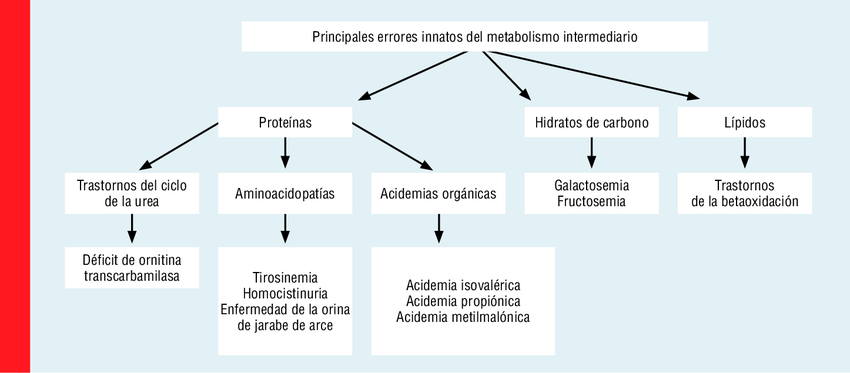
IMDs are a group of genetic disorders that affect metabolic pathways crucial to maintaining homeostasis in the body. These disorders are caused by defects in specific genes that encode enzymes necessary for critical metabolic reactions, which affect the body's ability to metabolize certain compounds, such as amino acids, lipids or carbohydrates, and eliminate waste.
These conditions, which have become increasingly important due to advances in their diagnosis and management, occur when a enzyme or a deficiency of carrier protein It causes a blockage in a metabolic pathway that results in a harmful buildup of substrate behind the blockage or a deficiency of products essential for the normal functioning of the body, and brings with it a variety of health problems.
MIS and their relationship with autism have been the subject of study in recent years, as both conditions present shared biological factors and overlapping clinical patterns. Some children affected by MIS show early signs of autism spectrum disorder (ASD), a neuropsychiatric condition characterized by difficulties in social communication, repetitive behaviors, and sensory sensitivity.
The etiology of ASD is multifactorial, involving both genetic and environmental components. While progress has been made in identifying autism susceptibility genes and studies suggest that genetic factors play an important role, metabolic alterations are also being explored as possible contributors.
Several studies have suggested that alterations in specific metabolic pathways may contribute to the development of symptoms associated with autism, but the intersection between metabolic errors and neurological development in children with ASD is still a field of growing interest, with the hypothesis that metabolic dysfunction may influence the appearance of autistic symptoms.
This article explores how major IEMs may be related to autism. By looking at how altered metabolic pathways may influence neurodevelopment and behaviour, specific examples of IEMs that are more prevalent in children with ASD will also be discussed, as well as how early detection and treatment of IEMs may influence the course of neurodevelopment.
1. What mechanisms are involved with inborn errors of metabolism?
Among the main mechanisms involved in EIMs are:
· Enzyme deficiency: Mutations that result in the production of defective or absent enzymes, preventing the proper conversion of metabolic compounds.
· Accumulation of toxic metabolites: Due to the body's inability to metabolize certain compounds, an accumulation of toxic substances occurs that can damage tissues, including the brain.
· Deficiency of essential products: Some metabolic pathways fail to produce key components, such as neurotransmitters, necessary for neuronal signaling and other critical functions.
IEMs can affect any system in the body, but the brain is particularly vulnerable, due to its high energy demands and the need for a precise biochemical balance for its development and function.
2. Symptoms: What Signs Should Make You Suspect an EIM?
IEMs can present with a wide range of symptoms, which vary depending on the specific disorder and the severity of the enzyme defect. Some signs and symptoms that should raise suspicion of an IEM include:
· Developmental delay: Children may not reach developmental milestones on time.
· Growth problems: Lack of weight gain or adequate growth.
· Abnormal body odor: Some EIMs can cause characteristic odors in the breath, urine, or sweat.
· Hypoglycemia: Low blood sugar levels.
· Behavioral and neuropsychiatric abnormalities: Learning problems, social deficits, hyperactivity, aggression, catatonia, psychosis and depression.
These symptoms, together or individually, may be indicative of an IEM and should be evaluated by a healthcare professional.
3. Incidence of EIM in the Population
Although IEMs are rare overall, their global incidence is estimated at 1 in 1,500-2,500 births, making them a significant cause of neurological disease, developmental delay, and other serious health problems. These disorders can often manifest as early as childhood or, in some cases, in adulthood, depending on the severity and type of disease.
4. Metabolic pathways involved in brain development and their relationship with autism
Brain development is profoundly influenced by various metabolic pathways, which play a crucial role in processes such as neurogenesis, synapse formation and neurotransmission. Alterations in these pathways may contribute to the development of neuropsychiatric disorders, including Autism Spectrum Disorder (ASD). Among these pathways, those related to essential amino acid metabolism, the urea cycle, mitochondrial function and neurotransmitter balance stand out.
4.1 Essential Amino Acid Metabolism: Phenylketonuria and Homocystinuria
The metabolism of essential amino acids is critical for protein synthesis and neurotransmitter production. Two well-known disorders affecting these pathways are phenylketonuria (PKU) and homocystinuria.
· Phenylketonuria (PKU): In PKU, a deficiency in the enzyme phenylalanine hydroxylase prevents the conversion of phenylalanine to tyrosine. The buildup of phenylalanine is neurotoxic and can interfere with myelination and the synthesis of neurotransmitters such as dopamine and serotonin. If left untreated, it can lead to severe cognitive delay. Although PKU and ASD are distinct disorders, some studies have suggested that children with poorly controlled PKU may exhibit autism-like symptoms, such as communication difficulties and repetitive behaviors.
· Homocystinuria: Homocystinuria is caused by a dysfunction in the enzyme cystathionine beta synthase, leading to the accumulation of homocysteine. Elevated levels of homocysteine can cause oxidative damage and cellular stress, affecting neuronal function. As in PKU, some symptoms of homocystinuria, such as difficulties in socialization and learning problems, have an overlap with ASD.
4.2 Urea Cycle Disorders
The urea cycle is responsible for removing ammonia, a toxic byproduct of amino acid metabolism. Any dysfunction in this pathway, such as in urea cycle disorders, can lead to the accumulation of ammonia in the brain, causing neurotoxicity.
Increased ammonia levels can interfere with neurotransmission and cause cerebral edema, which affects normal brain development. Cases of children with urea cycle disorders displaying features of ASD, such as developmental delay and communication difficulties, have been reported, suggesting that metabolic toxicity could contribute to the neurological manifestations seen in autism.
4.3 Dysfunctions in the Electron Transport Chain and Mitochondria
Mitochondria play an essential role in cellular energy production through the electron transport chain. Mitochondrial dysfunctions have been implicated in various neurological disorders, including ASD.
Mitochondrial dysfunction can result in inefficient ATP production and an increase in reactive oxygen species (ROS) production, leading to a state of oxidative stress. This stress can damage neuronal cells and impair synaptic plasticity. Several studies have shown an increased prevalence of mitochondrial dysfunctions in children with ASD, suggesting that the inability to maintain adequate energy production could be related to the cognitive and motor difficulties observed in this disorder.
4.4 Effect on Neurotransmitters: GABA, Glutamate and Serotonin
The balance between excitatory and inhibitory neurotransmitters is essential for proper brain function. Disturbances in this balance are associated with a number of neurological disorders, including ASD.
· Glutamate and GABA: Glutamate is the main excitatory neurotransmitter, while GABA is the main inhibitory one. In ASD, an imbalance between these pathways has been observed, with an increase in glutamatergic activity and a reduction in GABAergic signaling. This imbalance can lead to neuronal hyperexcitability, contributing to the sensory and behavioral features of autism, such as sensory hypersensitivity and repetitive behaviors.
· Serotonin: Serotonin is another key neurotransmitter in the regulation of mood and social behaviour. In ASD, increased blood serotonin levels have been documented, although the exact mechanism of how this affects behaviour is not fully understood. Serotonin plays an important role in modulating social interactions, and it has been suggested that alterations in this pathway may be related to the social difficulties typical of autism.
4.5 The Role of Genetics in Inborn Errors of Metabolism and Autism
Research into IMDs has advanced considerably thanks to the availability of technologies such as next-generation sequencing (NGS), which has made it possible to identify genetic mutations that affect essential metabolic pathways. IMDs are generally inherited in an autosomal recessive manner, meaning that a child must inherit two defective copies of the gene, one from each parent, for the disease to manifest.
Among the most studied genes and mutations in relation to IEMs and autism include:
· Mutations in the MTHFR gene: This gene encodes the enzyme methylene tetrahydrofolate reductase, which regulates the conversion of homocysteine to methionine, which is essential for the folate pathway and crucial for DNA methylation. Mutations in MTHFR can cause an alteration in the body's ability to process folic acid, which in turn affects the development of the central nervous system. Several studies have associated variants in this gene with an increased risk of developing autism, since dysfunction in this pathway can alter epigenetic regulation and critical gene expression during fetal development.
5. Diagnosis of EIM in Children with ASD
Diagnosing IMD in children with ASD can be complicated due to overlapping neurological symptoms. However, IMD is recommended to be considered in the following cases:
· Family history of metabolic disorders.
· Non-typical ASD symptoms, such as seizures, unexplained fatigue, developmental regression, or recurrent vomiting episodes.
· Laboratory abnormalities, such as metabolic acidosis, elevated ammonia or lactate levels.
Early diagnosis of IEMs is crucial because of the potential to prevent or mitigate neurological damage with timely interventions. Diagnosis is typically based on three main approaches:
Ø Neonatal Screening: Many countries implement neonatal screening programs to detect IMD. This involves taking a blood sample from the newborn's heel and looking for abnormal metabolic markers, such as amino acids, organic acids or acylcarnitines. These tests are crucial for the early detection of IMD such as phenylketonuria, galactosemia or defects in fatty acid oxidation, among others.
Ø Genetic Testing: DNA sequencing, particularly exome sequencing targeting metabolic problems, is an advanced genetic sequencing technique that focuses on identifying mutations in specific genes that cause IMD. This technology is particularly useful in cases where the clinical phenotype is atypical or where multiple metabolic disorders are being considered. Direct link to the Neuroimmunometabolic Exome
Ø Biochemical tests: When an IMD is suspected in a child with signs of ASD, biochemical tests such as urine, plasma or cerebrospinal fluid analysis may reveal the accumulation of abnormal metabolites. Specific tests may also include amino acid profiles, organic acids, fatty acids and other biomarkers.
Ø Imaging tests: Such as MRIs to assess damage to specific organs.
6. Importance of Early Detection
Early diagnosis and early intervention with medical and dietary treatment are the cornerstones of life-saving outcomes and prevention of autism and mental retardation.
Understanding how these metabolic disorders impact neurological development may open new avenues for personalized treatments. Detecting an IMD as early as possible is crucial to prevent irreversible damage and improve the patient's quality of life. Early detection allows for:
· Start specific treatments: Some EIMs can be managed with dietary changes, vitamin supplements, or medications that compensate for the enzyme deficiency.
· Avoid metabolic crises: Preventive measures can be implemented to avoid situations that trigger serious episodes.
· Family planning: Knowing the risk of genetic transmission helps parents make informed decisions.
7. Ongoing research
Although not all children with autism have an underlying IMD, identifying those who do is crucial, as in many cases there are dietary or pharmacological treatments that can significantly improve neurological symptoms. Advanced genetic and metabolic studies are helping to unravel how these dysfunctional biological pathways may contribute to the development of autism and, more importantly, how we can intervene more effectively. Future research will need to focus on identifying these connections and developing therapeutic strategies that address both metabolic disorders and autistic symptoms early in development.
Conclusion
Inborn errors of metabolism are complex but treatable genetic disorders if detected early. The varied symptomatology can make their diagnosis difficult, but advanced techniques such as targeted exome are valuable tools for accurate identification.
Early detection is vital to implement effective treatments and improve the quality of life of patients, as well as to avoid diagnostic confusion with disorders such as autism.
On Send Care You will find medical professionals specialized in the treatment of inborn errors of metabolism, such as Dr. Julio Poterico and many others, with extensive experience in the treatment of neurodevelopmental pathologies.
On Enevia We are committed to disseminating scientific information about these disorders to support families and health professionals on the path to timely diagnosis and treatment.
Because at Enevia, we are your health ally.
Bibliographic references
Asato M., Goldstein TO, Schiff M. Autism and inborn errors of metabolism: how much is enough?. Developmental Medicine & Child Neurology. [Internet]. 2015 Apr [cited 2024 Sep 13] ; 57(9): 788-789. doi: 10.1111/dmcn.12771
İnci A, Özaslan A, Okur İ, et al. Autism: Screening of inborn errors of metabolism and unexpected results. Autism Research. [Internet]. 2021 Feb; 14 (5): 887–896. doi: 10.1002/aur.2486
Mohammad G., Mohammed A. Autism Spectrum Disorders and Inborn Errors of Metabolism: An Update. Pediatric Neurology. [Internet]. 2013 Oct [cited 2024 Sep 13] ; 49(4): 232-236. doi: 10.1016/j.pediatrneurol.2013.05.013
We use cookies to optimize our website and our service.
Functional
Always active
The storage or technical access is strictly necessary for the legitimate purpose of allowing the use of a specific service explicitly requested by the subscriber or user, or for the sole purpose of carrying out the transmission of a communication through an electronic communications network. .
preferences
The storage or technical access is necessary for the legitimate purpose of storing preferences not requested by the subscriber or user.
Statistics
Storage or technical access that is used exclusively for statistical purposes.Storage or technical access that is used exclusively for anonymous statistical purposes. Without a requirement, voluntary compliance by your Internet Service Provider, or additional records from a third party, information stored or retrieved solely for this purpose cannot be used to identify you.
Statistical
Storage or technical access is necessary to create user profiles to deliver advertising, or to track the user across one or multiple websites for similar marketing purposes.
Our groups are the ideal platform to learn and share your scientific concerns about neurodevelopment issues
Group rules:
Be nice. Bullying, insults and personal confrontations are not allowed.
Respect everyone's privacy.
Use information that is as scientific and reliable as possible, cite sources.
We want to comply with WhatsApp rules and avoid topics that we know lead to the closure of groups, so we ask that these groups not discuss topics related to VACCINES, MMS, CDS.
*Our purpose is informational only, it is not intended to be a substitute for medical advice, diagnosis or treatment.